
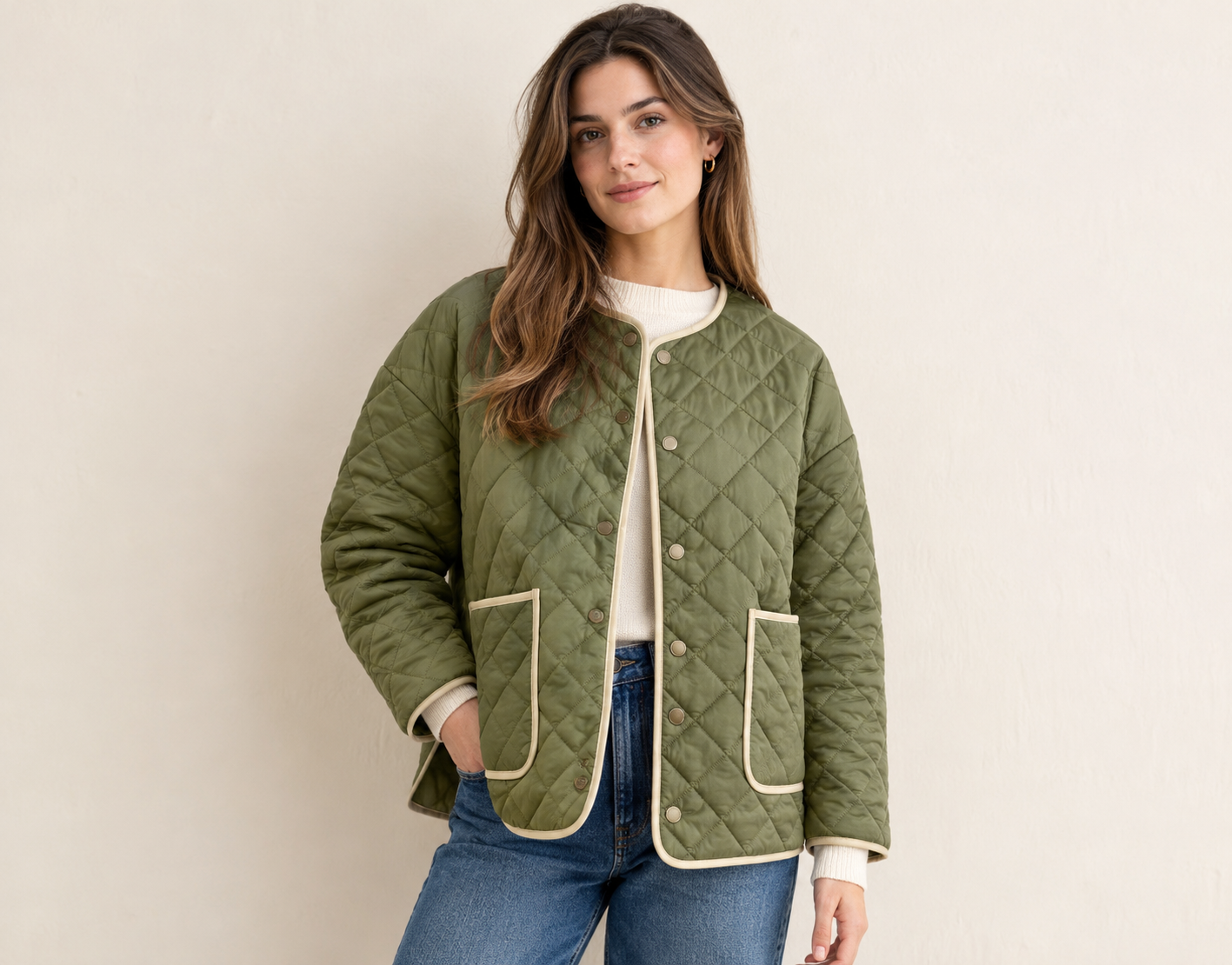
Quilted Jacket Pattern: How to Choose and Sew Your Own
A quilted jacket is one of those garments that combines practical comfort with plenty of room for personal style. It can be simple and understated, colourful and creative, or somewhere between the two. Unlike a conventional jacket, its appeal often comes from the fabric itself, particularly the stitching, texture and patterns that give the material its distinctive appearance.
Choosing a quilted jacket pattern is an important first step if you want to make one yourself. The right design will determine the jacket’s shape, how comfortably it fits over other clothes, and how much freedom you have to experiment with different fabrics and quilting techniques.
There is no single pattern that works for everyone. Some designs are suitable for beginners, while others involve patchwork, reversible construction or more detailed tailoring. Understanding these differences makes it easier to choose a project that suits your sewing ability and the finished jacket you have in mind.
What Is a Quilted Jacket Pattern?
A quilted jacket pattern is a sewing template used to create a jacket from fabric that has been stitched together with an insulating middle layer or prepared as quilted material.
Traditional quilted fabric generally contains three layers: an outer fabric, batting or wadding, and a backing fabric. Decorative stitching holds these layers together, creating the familiar raised patterns associated with quilted clothing.
The stitching can follow straight lines, diamonds, squares, curves or more elaborate designs. These details affect the appearance of the finished garment, but they also help keep the internal layers in position.
A sewing pattern provides the individual shapes needed for the jacket, including the front, back, sleeves, collar and pockets. Depending on the design, it may also include a lining, facings, cuffs and instructions for finishing the edges.
Different Quilted Jacket Styles Worth Considering

Not every quilted jacket needs to have the same appearance. The choice of silhouette and quilting design can completely change the character of the garment.
1. Classic Diamond Quilted Jacket
Diamond quilting is one of the most recognisable options. Its evenly spaced diagonal stitching creates a traditional appearance that works particularly well with cotton, lightweight wool and other suitable jacket fabrics.
This design is a good choice if you prefer something understated. It can be paired with jeans, casual trousers and knitwear without making the outfit feel overly complicated.
2. Patchwork Quilted Jacket
Patchwork designs use smaller pieces of fabric joined together to create a larger surface. They offer more creative freedom because you can combine different colours, prints and textures.
A patchwork jacket is also a practical way to use leftover fabric from previous sewing projects. However, careful planning is important. Too many competing prints can make the finished jacket look unbalanced.
3. Boxy Quilted Jacket
A boxy jacket has a relaxed shape, usually with dropped shoulders and enough room to wear a jumper underneath.
This silhouette is particularly useful for everyday clothing because it does not depend on a closely fitted shape. Simple construction and relatively straightforward edges can also make certain boxy designs approachable for intermediate beginners.
4. Reversible Quilted Jacket
A reversible design gives you two wearable sides in one garment. Each side can use a different colour or print, making it possible to change the appearance without changing jackets.
The construction requires more planning than a basic unlined design. Seams, pockets, closures and finishing details need to work properly on both sides.
How to Choose the Best Quilted Jacket Sewing Pattern
Before downloading or purchasing a pattern, think about how you want the finished jacket to look and feel. A design that looks attractive in a photograph might not necessarily suit your experience or the fabric you plan to use.
Consider Your Sewing Experience
If this is your first quilted jacket, look for a pattern with straightforward construction. A relaxed shape, simple sleeves, patch pockets and a basic front opening are useful features to start with.
More experienced sewers may enjoy patterns that include:
- Reversible construction.
- Buttonholes or snap closures.
- Detailed patchwork panels.
- Shaped collars and cuffs.
- Bound seams and decorative finishing.
Read the instructions before committing to a project. Check whether the pattern includes illustrated steps, cutting layouts and clear information about seam allowances.
Check the Finished Measurements
One common mistake is choosing a pattern based only on your usual clothing size.
Quilted fabric is thicker than ordinary cotton or lightweight shirting. This can affect the way a jacket fits, particularly around the shoulders, sleeves and armholes.
Look at the finished garment measurements rather than relying entirely on the size label. Consider how much room you need for a sweatshirt or jumper underneath.
If you are unsure about the fit, make a test version using material with a similar thickness. This can reveal problems before you cut into your chosen fabric.
Decide How You Want the Quilting to Look
The quilting pattern is just as important as the jacket silhouette. Straight parallel lines create a clean appearance, while diamonds give the fabric a more traditional finish. Free-motion stitching allows more decorative designs.
You can also use an existing quilted fabric instead of creating the layers yourself. This saves preparation time and lets you concentrate on cutting and assembling the jacket.
Best Fabric and Materials for a Quilted Jacket

The materials you select will influence the jacket’s warmth, weight, structure and overall appearance.
Outer fabric: Cotton is a popular option because it is relatively easy to handle and comes in a wide range of prints. Linen blends can create a relaxed appearance, while suitable wool fabrics offer a different texture and more substantial feel.
Batting or wadding: This middle layer provides insulation and volume. Lightweight batting is useful for jackets intended as everyday layers. Thicker batting creates more warmth but can make seams and sleeves bulky.
Lining: A lining gives the inside a cleaner appearance and can improve comfort when wearing the jacket over other clothes. For reversible designs, the lining also becomes the second visible outer surface.
Thread and closures: Choose thread appropriate for the fabric and construction. Buttons, snaps and zips should suit the jacket’s weight and intended use.
Before beginning, check that all three layers work together. A heavy outer fabric combined with thick batting and a bulky lining can produce a stiff garment that is difficult to wear.
How to Make a Quilted Jacket Using a Sewing Pattern
Making a jacket from a sewing pattern becomes easier when you divide the work into manageable stages.
Step 1: Prepare Your Pattern
Print the PDF pattern if you are using a digital download. Check the test square before printing the complete document, and assemble the pages according to the instructions.
Review the cutting layout, size chart and construction notes. Make sure you understand which pieces need to be cut on the fold and where the seam allowances are included.
Step 2: Prepare the Fabric Layers
If you are making your own quilted fabric, place the outer fabric, batting and backing together according to your chosen construction method.
Smooth out wrinkles and secure the layers with suitable pins or clips. Avoid stretching the fabric while preparing it.
Step 3: Quilt the Fabric

Mark your preferred quilting design before stitching. Straight lines are a sensible starting point because they are easier to maintain consistently.
Test the stitching on a small sample first. This helps you check the tension, stitch length and needle choice.
One important detail is that quilting can change the dimensions of fabric. Stitching and batting compression may cause some shrinkage, so measure your sample before cutting the final pattern pieces.
Step 4: Cut and Assemble the Jacket
Once the quilted fabric is ready, position the pattern pieces carefully. Pay attention to the direction of the quilting, especially around the front, back and pockets.
Sew the main body sections together, followed by the sleeves and other components specified in the instructions. Where possible, reduce unnecessary bulk in the seam allowances without weakening the seams.
Step 5: Finish the Edges and Add Closures
Bias binding is a popular way to finish exposed edges on quilted jackets. It creates a neat border around the neckline, front opening, cuffs and hem.
Attach the pockets and closures according to the pattern instructions. Check that buttons, snaps or zips operate comfortably before considering the project complete.
Quilted Jacket Patterns to Explore
If you are looking for an actual sewing pattern rather than drafting one from scratch, several established independent pattern makers offer useful starting points.
Here are three worth investigating:
- Grainline Studio – Tamarack Jacket: A recognised quilted jacket design with a classic shape and options for different finishes.
- Megan Nielsen – Hovea Jacket and Coat: Offers several lengths, quilted variations, roomy pockets and reversible construction options. Megan Nielsen Patterns
- Merchant & Mills – Jacket and Coat Patterns: A collection of jacket and coat designs with different construction styles and skill requirements. Merchant & Mills
The Hovea is particularly interesting if you want a pattern that allows experimentation. Its designer provides six variations, including cropped, mid-length and coat-length quilted versions. Megan Nielsen Patterns
Common Mistakes to Avoid
Even a well-drafted pattern can produce disappointing results if the preparation is rushed.
Choosing the wrong size: Always check finished garment measurements and allow enough room for layering.
Ignoring fabric thickness: Thick batting can create bulky seams, particularly where several layers meet around the sleeves and underarms.
Skipping a quilting sample: Test your chosen stitch design first. This helps identify tension problems and changes in fabric dimensions.
Mismatching the quilting: Check that decorative lines meet neatly across pockets, front panels and other visible sections.
Rushing the finishing: Uneven binding, poorly positioned closures and unfinished seam allowances can make an otherwise attractive jacket look homemade in the wrong way.
For further construction inspiration, Threads magazine’s guide to making a reversible quilted jacket explores machine quilting, patchwork and repurposing an existing quilt. Its examples demonstrate how different techniques can produce very different garments. Threads
Which Quilted Jacket Pattern Should You Choose?
The best choice depends on your sewing experience, preferred silhouette and available materials.
For a first project, a simple boxy jacket with patch pockets and straightforward binding is a sensible starting point. If you already have experience with garment construction, a reversible or patchwork design offers more opportunities to experiment.
Do not overlook the importance of fit. A beautiful quilting design will not compensate for sleeves that feel restrictive or a body that is too tight over knitwear.
Take time to compare the pattern instructions, fabric requirements and finished measurements. A little preparation can make the sewing process considerably easier and help you create a jacket that feels as good as it looks.
7. Frequently Asked Questions
1. What is the best quilted jacket pattern for beginners?
A simple boxy jacket with dropped shoulders, patch pockets and basic binding is a good starting point. Look for clear instructions and a pattern that does not require complicated tailoring.
2. Can I make a quilted jacket without a quilting machine?
Yes. You can use a regular sewing machine to quilt suitable fabric layers together. Straight-line quilting is a practical option, provided your machine can handle the combined thickness.
3. What fabric is best for a quilted jacket?
Cotton is a popular choice because it is relatively easy to sew and available in many prints. Linen, suitable wool and pre-quilted fabrics are other options, depending on the desired weight and appearance.
4. Can I use an old quilt to make a jacket?
Yes. An existing quilt can be repurposed into a jacket if its condition, thickness and fabric are suitable. Check for worn areas and make sure enough usable material remains for all the pattern pieces.
5. Are quilted jackets reversible?
Yes. Some sewing patterns are specifically designed for reversible construction. Both sides need properly finished seams, suitable pockets and carefully planned closures.
6. How do I prevent bulky seams when sewing a quilted jacket?
Use suitable lightweight batting, trim excess bulk where the pattern allows, and test the seam construction on a sample. Avoid cutting away structural fabric or weakening important seams.
Read More About: Buck Mason Sale: Where to Shop for Exclusive Deals on Premium Menswear